
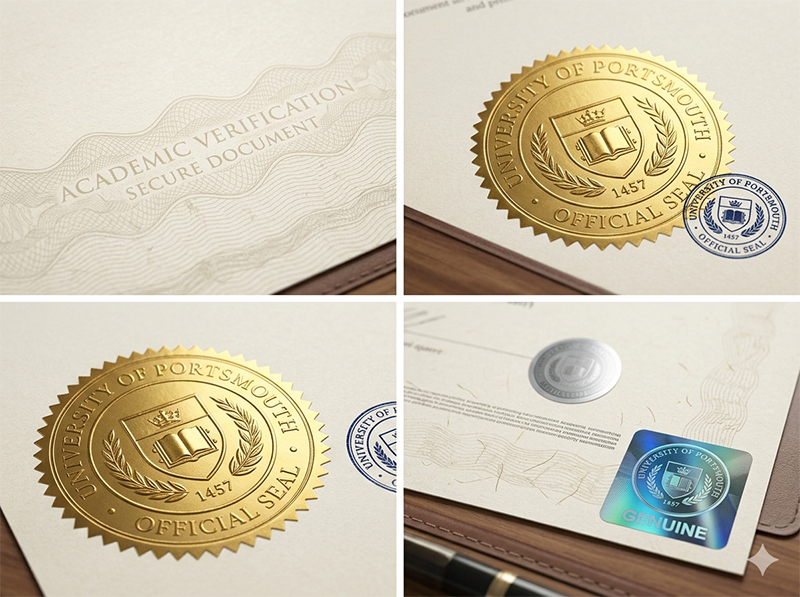
University Degree Certificates Across the World: Craftsmanship, Materials, and Security Technologies
As we look at academic achievements, university degree certificates, diplomas, and transcripts serve as irreplaceable tokens of education. Institutions worldwide, including in the United States, the UK, Germany, Canada, Singapore, Australia, and France, produce degree certificates that showcase not only academic accomplishment but also advanced craftsmanship and cutting-edge security features. These certificates, ranging from diplomas to transcripts, reflect the quality and credibility of the institutions issuing them. Let’s dive into the materials, anti-fraud technologies, and production processes involved in making these documents.
Materials Used in Crafting University Degree Certificates
One of the most important aspects of a degree certificate is the quality of materials used. Typically, high-grade paper or a combination of specialty materials like parchment is used. For example, many universities in the U.S. and the UK prefer heavy-duty cotton-based paper, which is durable and resists wear and tear over time. In contrast, some Canadian and Australian universities opt for high-quality synthetic materials to prevent degradation and ensure a longer shelf life.
The texture of the paper is a crucial factor. Smooth, embossed, or even parchment-like textures are commonly seen. The rich texture adds to the overall tactile experience of holding the diploma, creating a sense of importance and prestige.
Anti-Fraud Technologies: Securing Academic Credentials
Degree certificates today are fortified with advanced anti-counterfeit technologies to ensure authenticity and protect against fraud. Various methods are employed worldwide to safeguard these valuable documents.
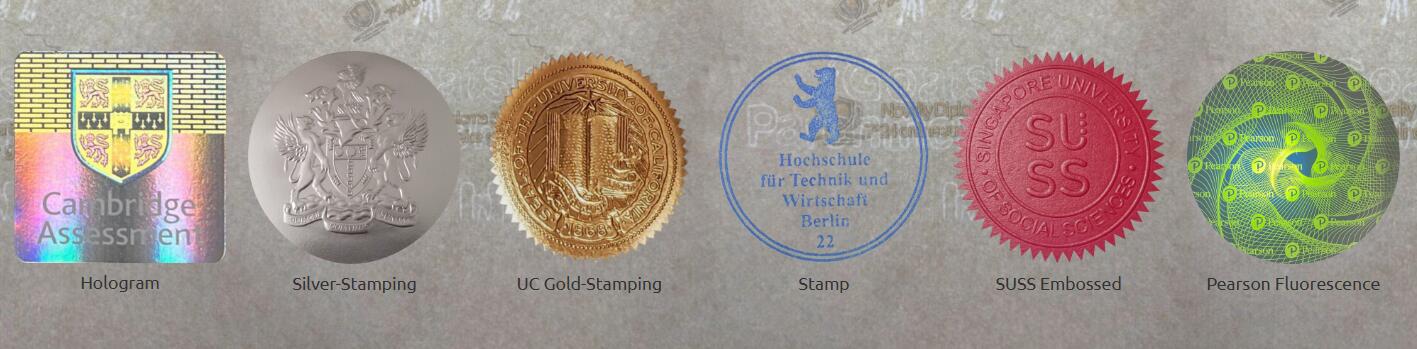
In the United States, for example, many universities integrate holograms and microprinting onto their diplomas. This invisible microprinting becomes visible under magnification, making it extremely difficult to replicate. Similarly, universities in Singapore and the UK make use of complex watermarks embedded within the paper that can only be viewed under UV light, a technique that is almost impossible to forge.
Additionally, institutions across Europe, particularly in Germany and France, rely on digital signatures and QR codes to add an extra layer of security. These codes can be scanned to verify the document’s authenticity in real-time.
Crafting the Perfect Degree Certificate: Design and Printing Process
The design of a degree certificate is just as important as its security features. Each university follows specific design principles to ensure consistency and professionalism. Typically, the university logo, the recipient’s name, the degree title, and signatures of authorized university officials are all meticulously placed.
The process of printing these certificates is highly detailed. High-resolution printing is combined with foil stamping to ensure text clarity and visual appeal. In some cases, the certificates may be printed in multiple colors to distinguish different types of degrees or honors. Advanced printing techniques, such as offset or letterpress printing, are commonly used to achieve a crisp, professional finish.
The Role of Degree Certificates in Education
University degree certificates, diplomas, and transcripts are more than just documents; they are symbols of personal achievement and academic excellence. From the materials used to the sophisticated security technologies embedded in them, these certificates represent a high level of craftsmanship. Whether you’re studying in the U.S., the UK, or any of the other countries mentioned, the journey of receiving a degree certificate is a mix of academic dedication and cutting-edge design, all working together to create an artifact that is both a keepsake and an official record.